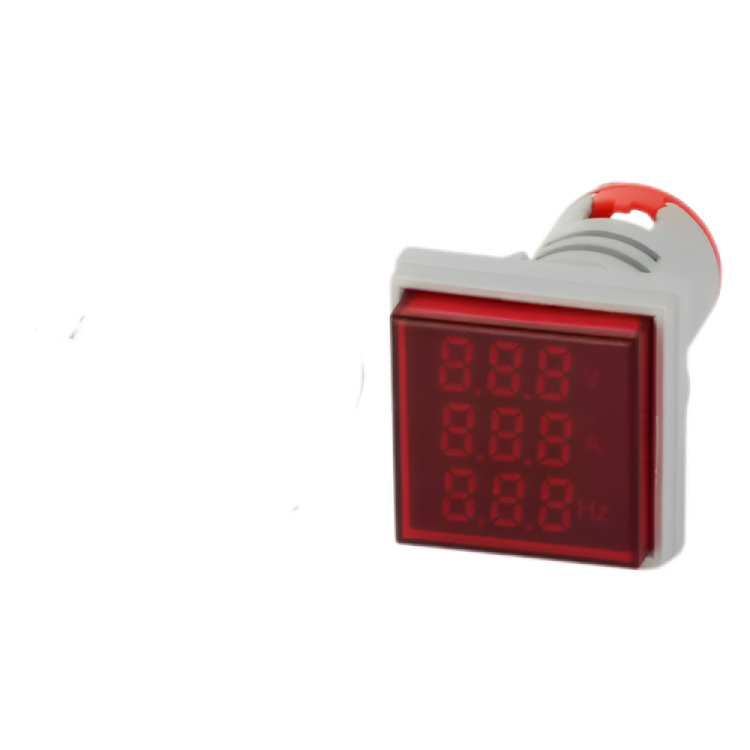
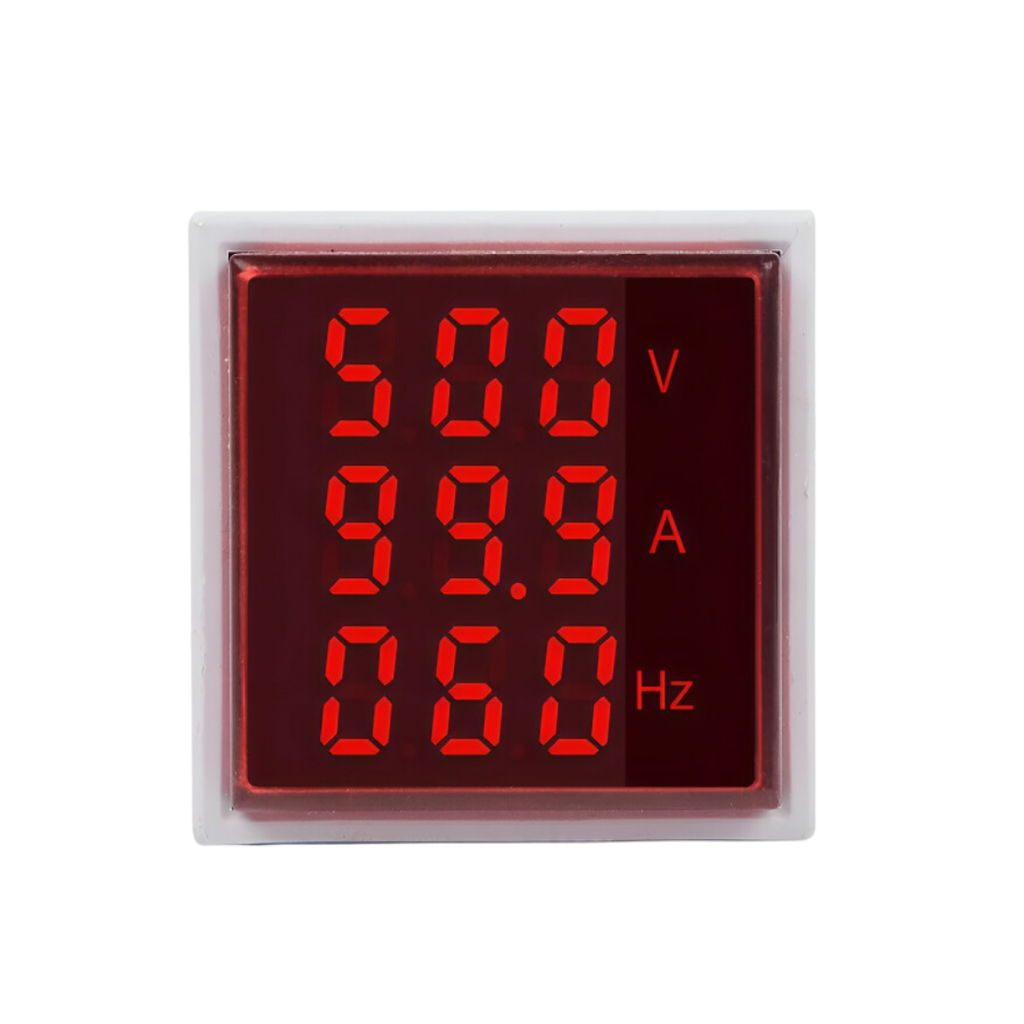
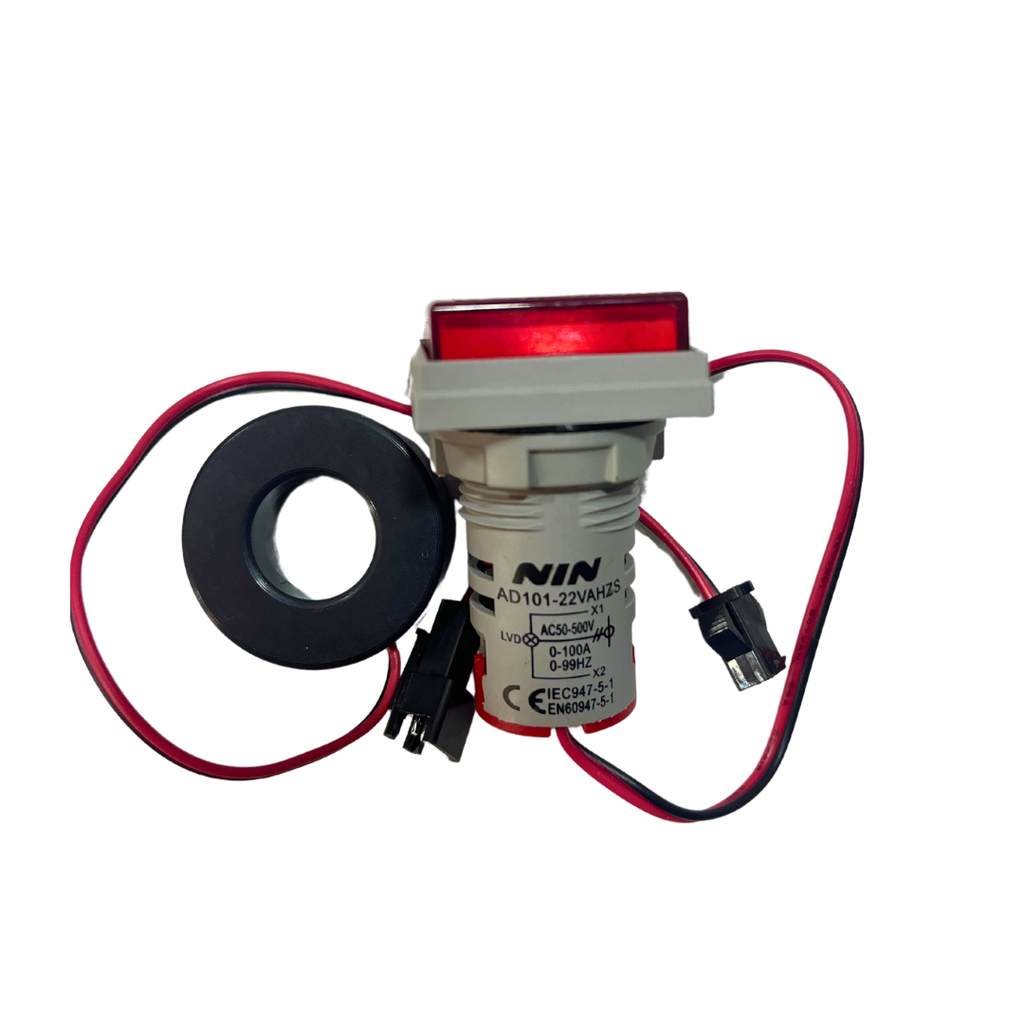

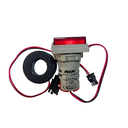
The Ninuo Indicator Frequency Meter AD101-22VAHZS 0~99Hz Red is a compact and accurate device designed to measure and display frequency values within the range of 0 to 99 Hz. It comes with a bright red LED display, making it easy to read even in challenging lighting conditions. The meter is powered by a reliable 220VAC power supply, ensuring consistent performance.
*Specification:*
- Measurement Range: 0~99Hz
- Display Type: Bright Red LED
- Power Supply: 220VAC
- Accuracy: +/-1% FS
- Refresh Rate: 1 second
- Operating Temperature: -20 to 60 Degree Celcius
- Dimensions: 48 x 24 x 52 mm (W x H x D)
- Weight: Approximately 100 grams
*Features:*
- Compact and lightweight design for easy installation and portability
- Clear and visible LED display for quick and convenient readings
- Accurate frequency measurement with a resolution of 1 Hz
- Low power consumption for extended battery life
- Easy to mount and integrate into various applications
*Benefits:*
- The compact size and simple interface make it suitable for various applications such as industrial machinery, laboratory equipment, and power generation systems.
- Its accuracy and reliability ensure precise measurements and reliable performance.
- The bright red LED display enhances visibility and simplifies data interpretation.
- The low power consumption extends the battery life, making it ideal for portable or remote applications.
*Application:*
The Ninuo Indicator Frequency Meter AD101-22VAHZS 0~99Hz Red is commonly used in:
1. Industrial Machinery: Monitoring the frequency of rotating equipment, such as motors, generators, and pumps, to detect potential issues and maintain optimal performance.
2. Laboratory Equipment: Measuring the frequency of signals or oscillations in scientific experiments, research, and quality control processes.
3. Power Generation Systems: Monitoring the frequency of electrical grids, generators, and inverters to ensure stable and efficient power distribution.
4. Manufacturing and Assembly Lines: Verifying the frequency of machinery, conveyors, and assembly processes to maintain consistent production speeds and quality.
5. Automotive Testing: Measuring the engine RPM (revolutions per minute) and other frequency-related parameters during vehicle testing and diagnostics.